
Gutter Cleaning NJ – Splendor Siding and Roofing Keeping your gutters clean is one of…
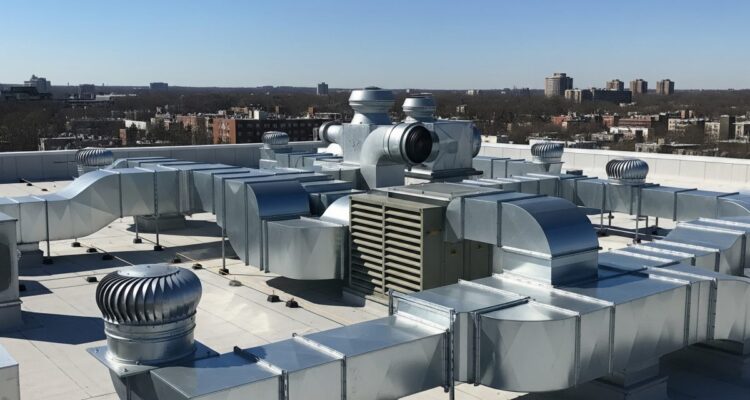
How to Choose the Best Roof Ventilation System in NJ
Proper roof ventilation is one of the most often overlooked aspects of home construction and maintenance—but it’s vital for a healthy, long-lasting roof. Whether you’re dealing with winter ice dams, excessive summer attic heat, or rising energy bills, the right ventilation system can make a big difference.
At Splendor Roofing and Chimney, we’ve helped homeowners throughout New Jersey select and install the best roof ventilation systems tailored to their climate, roof style, and insulation needs.
In this guide, we’ll cover why ventilation is important, the most common types of systems, and how to choose the ideal roof ventilation system in NJ for your home.
Need professional ventilation assistance? Call 201-693-7788
Or request your free inspection
Why Roof Ventilation Matters in New Jersey
NJ homes experience all four seasons—from freezing winters to hot, humid summers. Without proper attic ventilation, you may face:
- Ice dams and leaks in winter
- Overheated attics in summer
- Higher energy bills year-round
- Moisture buildup leading to mold and wood rot
- Reduced roof lifespan
Proper ventilation allows air to circulate in and out of the attic, regulating temperature and moisture levels.
Signs You Need Improved Roof Ventilation
Look for these indicators if you’re unsure about your roof ventilation:
- Uneven shingle wear or curling
- Condensation or frost in the attic
- Ice buildup along roof edges in winter
- Hot upper floors or high cooling costs in summer
- Rust on attic nails or HVAC equipment
- Mold, mildew, or a musty attic odor
Key Types of Roof Ventilation Systems
Roof ventilation consists of two main types: intake and exhaust. The most effective systems use both to create proper airflow.
1. Ridge Vents (Exhaust)
Installed along the roof’s peak, almost invisible from the ground. They allow warm air to escape naturally.
Pros:
- Even ventilation across the roof
- No moving parts, low maintenance
- Blends with the roofline
- Ideal for gable or hip roofs with long ridges
2. Soffit Vents (Intake)
Placed under the eaves to draw in cool outside air.
Pros:
- Essential for balanced ventilation
- Affordable and easy to install
- Helps prevent attic condensation
- Works with all roof types when paired with ridge or gable vents
3. Gable Vents (Exhaust or Intake)
Mounted on gable ends to promote cross-ventilation if both ends are vented.
Pros:
- Easy retrofit for older homes
- Improves airflow when paired correctly
- Best for steep gable roofs
4. Roof Louvers / Box Vents (Exhaust)
Square or round static vents near the ridge.
Pros:
- Inexpensive
- No electricity required
- Common on smaller roofs
- Works well for simple roof layouts
5. Turbine Vents (Exhaust)
Wind-powered turbines that pull hot attic air out.
Pros:
- Moves more air than static vents
- No electricity needed
- Cost-effective
Cons:
- Can be noisy in strong winds
- Less efficient without steady breeze
6. Powered Attic Fans (Exhaust)
Motorized fans that remove hot air; can be electric or solar.
Pros:
- Rapid attic cooling
- Reduces summer A/C load
Cons:
- Requires electricity or solar panels
- Can create negative pressure if intake isn’t balanced
- May pull conditioned air from living spaces
How Much Ventilation Do You Need?
In NJ (and generally across the U.S.), the standard is 1 sq. ft. of ventilation per 150 sq. ft. of attic floor space, divided evenly between intake and exhaust.
Example:
A 1,500 sq. ft. attic would need 10 sq. ft. of total ventilation—5 sq. ft. intake, 5 sq. ft. exhaust.
Bonus: If your attic has a vapor barrier, a 1:300 ratio may be acceptable.
Choosing the Best System for Your NJ Home
Consider these factors when selecting a system:
1. Roof Type & Pitch
- Ridge vents suit long, continuous rooflines
- Box or gable vents may be better for complex roofs
2. Attic Layout
- Small or tight attics may benefit from powered fans
- Larger attics perform well with ridge/soffit combinations
3. Climate Concerns
- Humid NJ areas: ventilation reduces condensation and mold
- Snow-prone zones: proper airflow helps prevent ice dams
4. Aesthetic Preferences
- Ridge vents are discrete
- Box or turbine vents are more visible but sometimes necessary
5. Energy Goals
- Solar-powered fans lower heat buildup and energy costs
- Balanced natural ventilation reduces cooling expenses
Professional Ventilation Installation in NJ
Proper ventilation requires more than just cutting holes. It demands a balanced design, adherence to local codes, and knowledge of airflow.
At Splendor Roofing and Chimney, we:
- Inspect your attic and roofing system
- Identify ventilation issues
- Recommend the right intake/exhaust combination
- Install vents with precision and warranty coverage
- Repair or replace vents damaged by storms or age
Schedule a ventilation inspection at 201-693-7788
Or use our Free Estimate form
Final Thoughts
The right roof ventilation system depends on your roof style, attic size, and local climate. A properly designed system can improve comfort, lower energy costs, prevent mold, and extend roof life.
Don’t overlook this critical component of your roofing system. Contact Splendor Roofing and Chimney today for expert guidance and professional installation you can trust.

Related Posts
Comments (0)